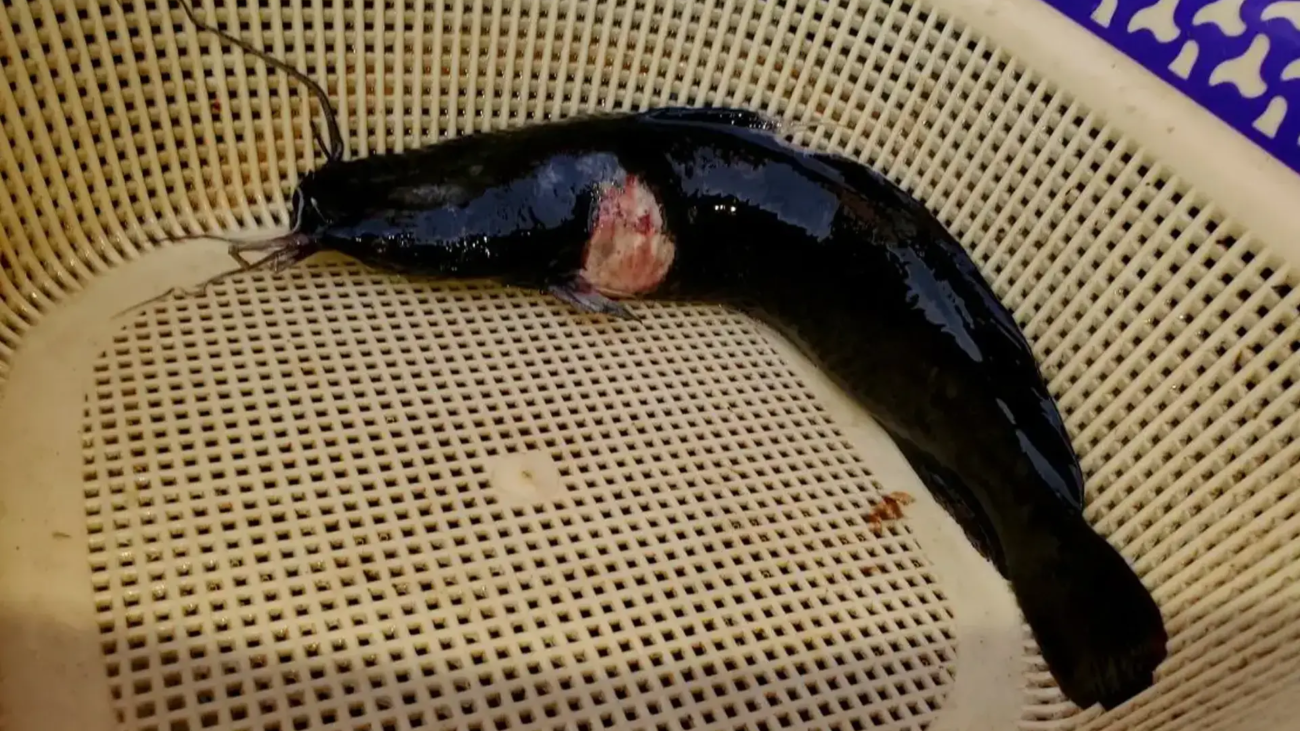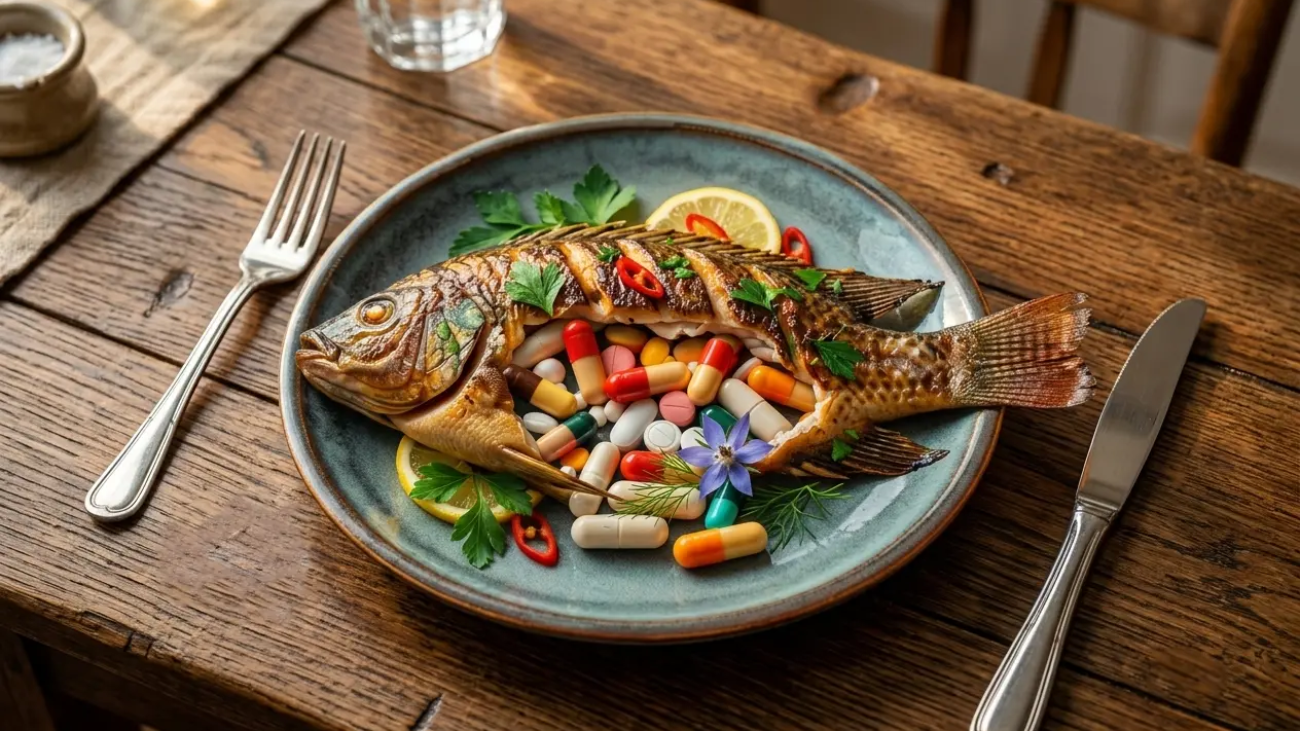
poisson gavé d'antibiotiques dans un plat

Antibiotics on Our Plates: The Silent Danger of African Aquaculture

Antibiotics on Our Plates: The Silent Danger of African Aquaculture

Aquaculture, the farming of fish and other aquatic organisms, has become a crucial pillar of global food security, particularly in Sub-Saharan Africa. Faced with a growing demand for fish protein, this sector is experiencing rapid expansion. However, this intensification comes with a major challenge: the excessive and often inappropriate use of antibiotics, which poses significant risks to human health, the environment, and the sustainability of the industry itself.

The Rise of Aquaculture and the Antibiotic Dilemma

Aquaculture is the fastest-growing food sector in Sub-Saharan Africa. To meet the needs of a growing global population, aquaculture production is projected to increase by 62% by 2030 . This growth is crucial for food security and poverty reduction, but it is accompanied by practices that can compromise these long-term goals.

In many fish farms, antibiotics are used not only to treat diseases but also preventively, or even systematically. This approach is often driven by several factors :

  • Lack of training and technical knowledge among fish farmers.
  • Difficulty in accessing specialized veterinary diagnostics.
  • Fear of economic losses due to epidemics, leading to widespread antibiotic administration.
  • Intensive farming conditions: high fish density in ponds, poor water or feed quality, and inadequate sanitary management, which favor the rapid spread of diseases.

The Alarming Consequences of Antibiotic Misuse

The widespread and indiscriminate use of antibiotics in aquaculture has profound and negative repercussions at several levels.

For Aquaculture Producers

  1. Emergence of Resistant Bacteria (Antibiotic Resistance): Constant exposure to antibiotics selects for the most resistant bacteria. Eventually, medications become ineffective, making diseases more difficult and costly to treat. A farm dependent on antibiotics enters a vicious cycle of increasing diseases, treatments, and production costs .
  2. Decreased Profitability: Repeated purchase of antibiotics represents a significant expense. Moreover, epidemics caused by resistant bacteria can lead to massive mortalities and reduced fish growth, thereby lowering yields and revenues .
  3. Loss of Market Access: International markets impose strict standards regarding antibiotic residues in aquaculture products. Fish containing excessive residue levels may be rejected, leading to significant economic losses and damaging the industry’s reputation .

For Human Health: Antibiotics on Our Plates

When fish are marketed too soon after treatment, antibiotic residues can persist in their flesh. Consumers then unknowingly ingest small quantities of these substances. Repeated ingestion of these sub-therapeutic doses can have serious consequences :

  • Development of Antimicrobial Resistance (AMR): Bacteria in the human body adapt and mutate, rendering medical treatments ineffective when real infections occur. AMR is considered by the Food and Agriculture Organization of the United Nations (FAO) as one of the greatest threats to global health, potentially causing up to 10 million deaths per year by 2050.
  • Disruption of Gut Microbiota: Even at low doses, antibiotic residues can destroy the “good” bacteria in the gut, weakening the immune system and causing digestive disorders and other health problems.

For the Environment

Approximately 80% of antibiotics administered to aquatic animals disseminate into surrounding environments (water and sediments), contributing to the spread of resistant bacteria and resistance genes in aquatic ecosystems. Studies have shown that up to 90% of marine bacteria can be resistant to at least one antibiotic .

Towards Sustainable Aquaculture: Solutions to Reduce Antibiotic Use

The solution lies in disease prevention rather than systematic treatment. Several strategies can be implemented to reduce reliance on antibiotics and promote more sustainable and safer aquaculture :

  1. Improved Water Quality: Rigorous management of water parameters (dissolved oxygen, pH, ammonia levels) significantly reduces fish stress and the risk of disease.
  2. Avoid Overcrowding in Ponds: Appropriate fish densities minimize stress, improve animal welfare, and limit the rapid spread of infections.
  3. Use of Quality Feed: A balanced and nutritious diet strengthens the fish’s immune system, making them more resistant to pathogens.
  4. Enhanced Biosecurity: Strict hygiene and management measures, such as equipment disinfection, access control to ponds, isolation of sick fish, and proper disposal of dead fish, are essential to prevent the introduction and spread of diseases.
  5. Prudent Use of Antibiotics: Antibiotics should only be used after accurate disease diagnosis, under the advice of a technician or veterinarian, and strictly adhering to prescribed dosage and duration.
  6. Development of Antibiotic Alternatives: Innovative solutions are emerging, such as probiotics and prebiotics (beneficial microorganisms that improve gut health and fish immunity), improved nutrition, selection of more resistant fish strains, vaccination, phage therapy, and Biofloc technology .
  7. Respect Withdrawal Periods Before Marketing: Each antibiotic has a specific withdrawal period, the time required for drug residues to disappear from the fish’s body. It is imperative to read the drug label, strictly observe this period, and never market fish before its expiration. Failure to comply with this rule endangers consumer health and the reputation of the entire aquaculture sector.

The Future of African Aquaculture

The future of aquaculture in Sub-Saharan Africa depends on its ability to reconcile production growth with sustainable practices. By adopting preventive approaches and investing in antibiotic alternatives, the sector can not only preserve consumer health and drug efficacy but also ensure its own long-term economic viability. Antibiotics must once again become an exceptional treatment tool, not a systematic solution.
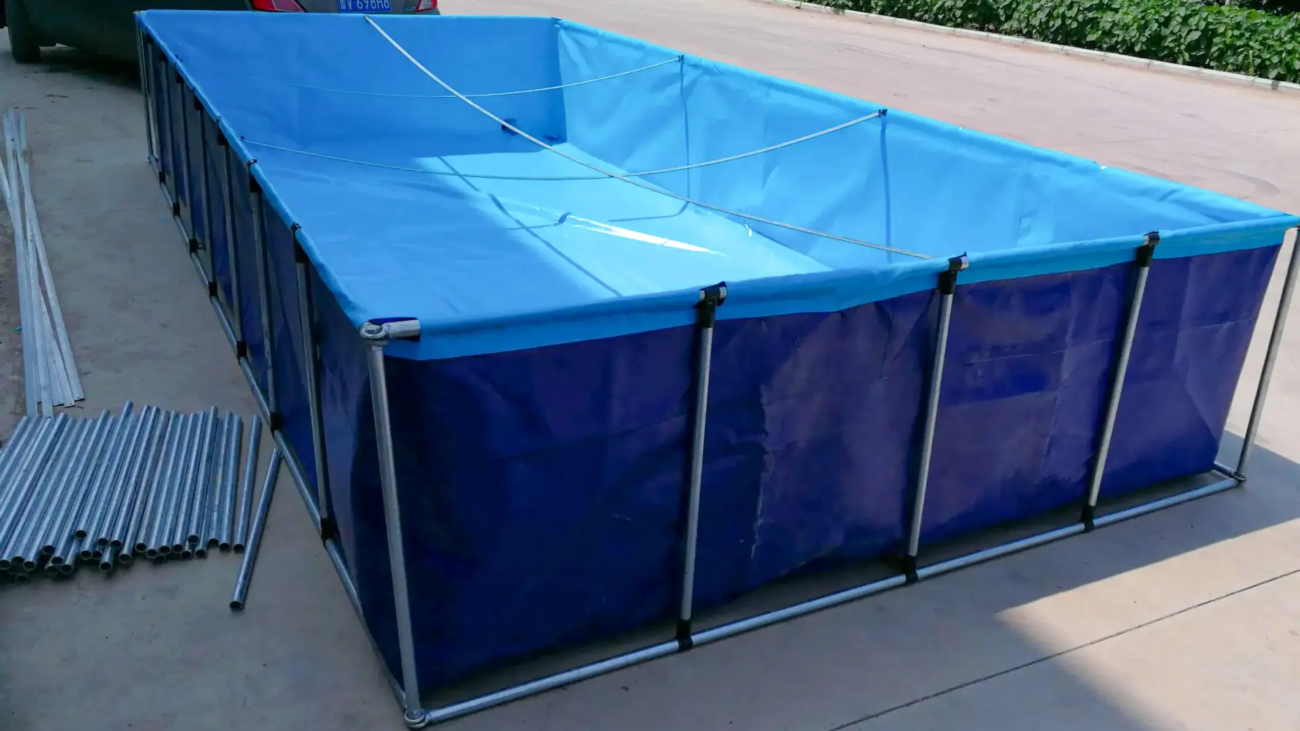
Pvc-tarpaulin-fish-tank-flexible-and-foldable-large-pond-for-outdoor-farming

Boost Your Fish Farm Operations: Tips to Maximise Your Profits

Boost Your Fish Farm Operations: Tips to Maximise Your Profits

Pvc-tarpaulin-fish-tank-flexible-and-foldable-large-pond-for-outdoor-farming

Aquaculture is a rapidly growing industry that offers promising opportunities to meet the increasing demand for fish and seafood products. However, success in this sector requires overcoming unique challenges and implementing effective strategies. To optimise your operations and maximise profits, here are some essential tips.

Why Choose Above-Ground Tanks for Aquaculture?

Above-ground tarpaulin tanks are an innovative and practical solution for fish farming. They offer several advantages that make them a preferred choice for many fish farmers.

  • Quick and Cost-Effective Installation

Unlike traditional ponds, above-ground tanks do not require extensive earthworks. This significantly reduces initial costs and allows for rapid setup.

  • Simplified Management

Above-ground tanks provide optimal control over the fish environment. You can easily monitor water quality (pH, temperature, oxygen levels), quickly detect problems, and take immediate corrective action.

  • Flexible Location Options

These tanks are ideal for areas where space is limited or access to natural water sources is restricted. They can be installed in urban settings or in locations where ponds are not feasible.

  • Efficient Water Use

Above-ground tanks make it easier to recycle or treat used water, reducing waste and improving the sustainability of your operation.

However, poor maintenance can lead to premature deterioration of the liners and fish losses caused by leaks.

Choose the Right Fish Species

In above-ground tanks, selecting the right species is crucial to the success of your operation. It is important to choose fish that are well adapted to the specific conditions of this production system.

Among the most recommended species, catfish stands out for its hardiness and ability to tolerate variations in water quality—two qualities that make it ideal for above-ground tank farming.

Beyond species selection, the quality of fingerlings or juveniles plays a critical role in the success of your project. Always source fingerlings from reliable and certified hatcheries where they have received balanced nutrition and been raised under optimal sanitary conditions.

Poor-quality fingerlings can result in slow growth, increased vulnerability to diseases, and significant financial losses. By investing in healthy, vigorous fingerlings from the start, you greatly increase your chances of achieving high yields and maximising profits.

Effective Water Management in Tanks

Water quality is a determining factor in the success of above-ground fish farming. Since fish are directly exposed to their aquatic environment, poorly maintained water can quickly lead to serious problems.

  • Install an Efficient Drainage System

A well-designed drainage system effectively removes organic waste, uneaten feed, and suspended solids. This reduces the risk of toxic substances such as ammonia and nitrites accumulating and harming fish health.

  • Monitor Water Parameters Regularly

It is essential to frequently test pH, temperature, and dissolved oxygen levels. Stable pH levels, appropriate temperatures, and sufficient oxygen supply promote optimal growth and reduce fish stress.

Specific testing kits can be used for accurate monitoring.

  • Perform Regular Water Changes

Partial or complete water renewal helps dilute pollutants and limit the proliferation of disease-causing organisms. Adjust the frequency of water changes according to fish stocking density and organic load in the tank.

Poorly maintained water can quickly become a breeding ground for diseases, leading to infections, deformities, or mass mortalities. Furthermore, an unbalanced aquatic environment slows fish growth, extends production cycles, and significantly reduces yields.

Optimise Feeding for Faster Growth

Balanced, high-quality nutrition is essential for ensuring fish health, rapid growth, and overall productivity.

At Odyssey, we use feeds rich in essential nutrients to meet the specific needs of fish at every stage of development.

To further improve results and reduce feeding costs, we incorporate natural supplements such as Azolla and duckweed.

  • Azolla

This floating aquatic plant is an excellent source of protein, amino acids, and vitamins. It promotes rapid fish growth while supporting overall health. Additionally, its use reduces the environmental footprint of your farm by decreasing dependence on commercial feeds.

  • Duckweed

Duckweed is also rich in nutrients and provides a natural, cost-effective alternative that improves overall feed efficiency.

Inadequate feeding can have serious consequences on production, including slower growth rates, longer production cycles, and increased mortality, ultimately reducing overall profitability.

Effective Local Marketing

Marketing is a crucial step in maximising the profits of your fish farming business. A well-planned strategy allows you to sell your fish quickly once they reach market size, avoiding additional costs associated with keeping them longer on the farm.

  • Promote Early

Start promoting your products before they are ready for sale. Use local channels such as markets, social media platforms, and consumer associations to reach your target audience. You may also offer pre-orders to secure immediate sales.

  • Identify Potential Customers

Target markets, restaurants, fish retailers, and individuals interested in fresh, high-quality fish. Build a network of regular buyers to ensure stable demand.

  • Highlight Your Strengths

Emphasise the unique characteristics of your fish, such as natural feeding practices (Azolla), superior quality, and environmentally responsible production methods. These features can attract customers who value quality and sustainability.

  • Organise Efficient Logistics

Plan the distribution of your fish to minimise the time between harvesting and delivery, ensuring maximum freshness.

By anticipating and carefully organising your marketing efforts, you can not only sell your stock more quickly but also build a strong reputation and expand your customer base for future sales.

Catfish-Diseases

How to Prevent and Treat Catfish Diseases

How to Prevent and Treat Catfish Diseases

xr:d:DAFXox4sRLs:19,j:43508888290,t:23031802

Above-ground catfish farming offers numerous advantages, including better control over production conditions. However, this type of farming is exposed to disease risks that can affect fish health and compromise your profitability. Early identification of these diseases, knowing how to treat them, and implementing preventive measures are essential to ensuring the success of your investment. In this article, we will review the most common diseases, their causes, symptoms, and the solutions to prevent and treat them.

Common Catfish Diseases

  1. Fin Rot
  • Symptoms: Discolouration and fraying of the fins, sometimes with reddish edges.
  • Causes: Poor water quality, injuries, or stress. This disease is often caused by bacterial infections (Flavobacterium).
  • Treatment: Apply antibiotic baths (for example, oxytetracycline) and improve water quality.
  • Prevention: Maintain good pond hygiene, minimise stress, and ensure careful handling of fish.
  1. Haemorrhagic Septicaemia
  • Symptoms: Red lesions on the body, swollen abdomen, bleeding around the fins or eyes.
  • Causes: Infections caused by bacteria such as Aeromonas hydrophila.
  • Treatment: Administer antibiotics through feed after confirmation by a specialist.
  • Prevention: Maintain good water quality, avoid overcrowding, and reduce stressful conditions.
  1. Fungal Infections (Mycoses)
  • Symptoms: White, grey, or cotton-like patches appearing on the skin or gills.
  • Causes: Untreated injuries, poor water quality, or contamination by fungal spores.
  • Treatment: Use antifungal baths with methylene blue or potassium permanganate.
  • Prevention: Prevent injuries and maintain optimal oxygen and pH levels.
  1. Parasitic Infestations
  • Symptoms: Rubbing against tank walls, loss of protective mucus, and difficulty breathing.
  • Causes: Parasites such as trematodes, protozoa, or flatworms.
  • Treatment: Use antiparasitic treatments such as formalin or non-iodised salt.
  • Prevention: Quarantine new fish and ensure effective water filtration.
  1. Gill Disease
  • Symptoms: Red, swollen, or mucus-covered gills, surface breathing.
  • Causes: Gill parasites, poor water quality, or low oxygen levels.
  • Treatment: Improve aeration and administer antiparasitic treatments if necessary.
  • Prevention: Regularly monitor water parameters and reduce fish stocking density.

General Preventive Measures

Water Quality

  • Monitor key parameters: pH (6.5–8), dissolved oxygen (at least 5 mg/L), and ammonia levels (kept as close to 0 as possible).
  • Regularly replace part of the water to prevent waste accumulation.

Quality Feed

  • Provide balanced feeds rich in essential nutrients.
  • Avoid overfeeding, which can cause water pollution.

Regular Disinfection

  • Clean ponds and equipment using safe products such as potassium permanganate.
  • Ensure that any equipment introduced into the system is disinfected.

Fish Management

  • Avoid overcrowding, which increases the risk of disease transmission.
  • Handle fish carefully to reduce stress and injuries.

Quarantine

  • Keep new fish in quarantine for 2 to 4 weeks before introducing them into the main pond.

Regular Monitoring

  • Inspect fish daily to detect any signs of disease quickly.
  • Keep a logbook to record observations and interventions performed.

Prevention is the key to maintaining a healthy catfish farm. By combining rigorous environmental management, balanced nutrition, and regular monitoring, you can significantly reduce the risk of disease outbreaks. Do not hesitate to consult a specialised veterinarian whenever a problem arises.


We would also love to hear your ideas! What topic or question would you like us to cover in a future article? Share your suggestions in the comments and help us create content that better meets your needs.